Our focus is to bring you
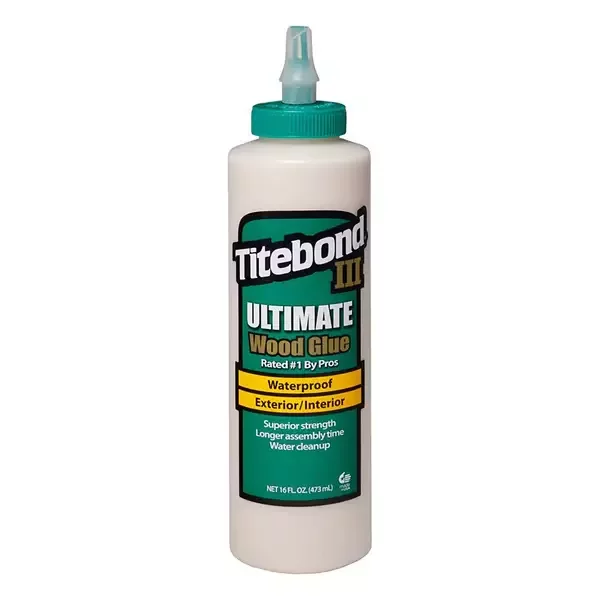
The Glue Matters
Not all wood glue performs the same, especially in kitchen and everyday-use pieces. For most All*En Crafts™ builds, we use Titebond® III Ultimate Wood Glue because of its proven strength, water resistance, and reliable long-term performance. Proper joinery starts with proper materials, and choosing the right adhesive is one more way we build products meant to be used — not just displayed.
When appropriate, we match the adhesive to the demands of the project to ensure lasting durability.
We Limit Ourselves to a few Select Wood Suppliers
Quality hardwood starts with where it’s sourced. Our first choice for domestic lumber is Heartland Timber LLC in Granger, Iowa — just about 10 miles from our shop — allowing us to personally inspect boards and maintain tight quality control.
When a species isn’t available locally, we supplement with carefully selected domestic and exotic hardwoods sourced through Barrington Hardwoods in Crystal Lake, Illinois. By keeping our supplier list intentionally small, we maintain consistency, traceability, and the material standards our customers expect.
We have a number wood options available for your board.
Every board we craft begins with carefully selected hardwoods chosen for durability, beauty, and food-safe performance. From trusted domestic species like maple, cherry, and walnut to distinctive exotic accents, each wood brings its own character to the finished piece. The table below highlights the woods we commonly use and whether they are recommended for cutting board applications, helping you choose the right material for how your board will be used — whether for everyday prep, carving duty, or serving in style.
| Species | Category | Source | Cutting Board Use | Notes |
|---|---|---|---|---|
| Ash | Domestic | Pennsylvania or Ohio | Yes | Strong hardwood valued for light color and good workability. |
| Beech | Domestic | Appalachian region (WV & PA) | Yes | Closed-grain hardwood commonly used in butcher blocks. |
| Black Walnut | Domestic | Missouri (leading producer) | Yes | Premium North American hardwood valued for rich color and stability. |
| Cherry | Domestic | Pennsylvania | Yes | Warm reddish hardwood that darkens beautifully with age. |
| Curly Maple | Domestic | North America | Yes | Figured hard maple with excellent durability. |
| English Walnut | Domestic | California | Yes | Fine-grained walnut species prized for color and stability. |
| Hickory | Domestic | Kentucky or Tennessee | Yes | Extremely hard and shock-resistant hardwood. |
| Maple | Domestic | Vermont (Sugar Maple) | Yes | Dense closed-grain hardwood widely used for butcher blocks. |
| Pecan | Domestic | Georgia and Texas | Yes | North American hardwood in the hickory family with pronounced grain. |
| White Oak (American Oak) | Domestic | Kentucky or Missouri | Yes | Durable hardwood with good moisture resistance. |
| Black Limba | Exotic | West Africa | Yes | Lightweight and stable; good for decorative and food-contact use. |
| White Limba | Exotic | West Africa | Yes | Stable light-colored wood suitable for food-contact items. |
| Osage Orange | Domestic | Texas and Oklahoma | Not Recommended | Extremely dense and rot-resistant but prone to movement. |
| Poplar | Domestic | Tennessee | Not Recommended | Economical hardwood but too soft for cutting board use. |
| Bloodwood | Exotic | South America | Not Recommended | Very dense exotic that may cause sensitivity in some users. |
| Canarywood | Exotic | South America | Not Recommended | Colorful wood that can cause allergic reactions in some people. |
| Leopardwood | Exotic | Central/South America | Not Recommended | Open-pored wood not ideal for cutting surfaces. |
| Mahogany | Exotic | Central/South America | Not Recommended | Generally open-grained and better suited for furniture. |
| Padauk | Exotic | Central Africa | Not Recommended | Can bleed color and has extractives not ideal for food contact. |
| Purpleheart | Exotic | Central/South America | Not Recommended | Very dense with reported sensitivity concerns. |
| Redheart | Exotic | Central/South America | Not Recommended | Limited food-contact data; better for decorative work. |
| Yellow Heart | Exotic | Brazil | Not Recommended | Bright yellow wood better suited for accents than cutting surfaces. |
| Zebrawood | Exotic | West Africa | Not Recommended | Open pores and tearout risk make it poor for cutting boards. |
| Cedar | Domestic | Eastern Red Cedar: Tennessee/Oklahoma | No | Aromatic softwood that is naturally rot-resistant but too soft for cutting boards. |
| Select Pine | Domestic | Georgia (Southern Yellow Pine) | No | Softwood commonly used in construction and utility projects. |
| Okoume | Exotic | Gabon/West Africa | No | Lightweight and soft; commonly used in plywood. |
| Wenge | Exotic | Central Africa | No | Very splintery and can cause skin irritation. |